

Whether you represent clients as a commercial real estate broker or lead your company’s office search, one decision shapes the workplace experience more than almost any other: how to choose the right building.
Employees value workplaces that support collaboration, simplify the commute, and create a positive daily experience. Leadership teams look for flexibility, operational efficiency, and landlords who serve as long-term partners.
Office buildings in Midtown Manhattan offer many of these advantages, but not every building delivers them equally.
Use this guide to evaluate Midtown Manhattan office space and identify the features that create lasting value for your business.
Manhattan Office Space: At a Glance
When you evaluate Midtown Manhattan office space, prioritize:
- Convenient access to major transit hubs
- Efficient floorplates
- Natural light and flexible layouts
- Premium amenities
- A financially stable landlord with a strong service culture
- Space that can adapt as your business evolves
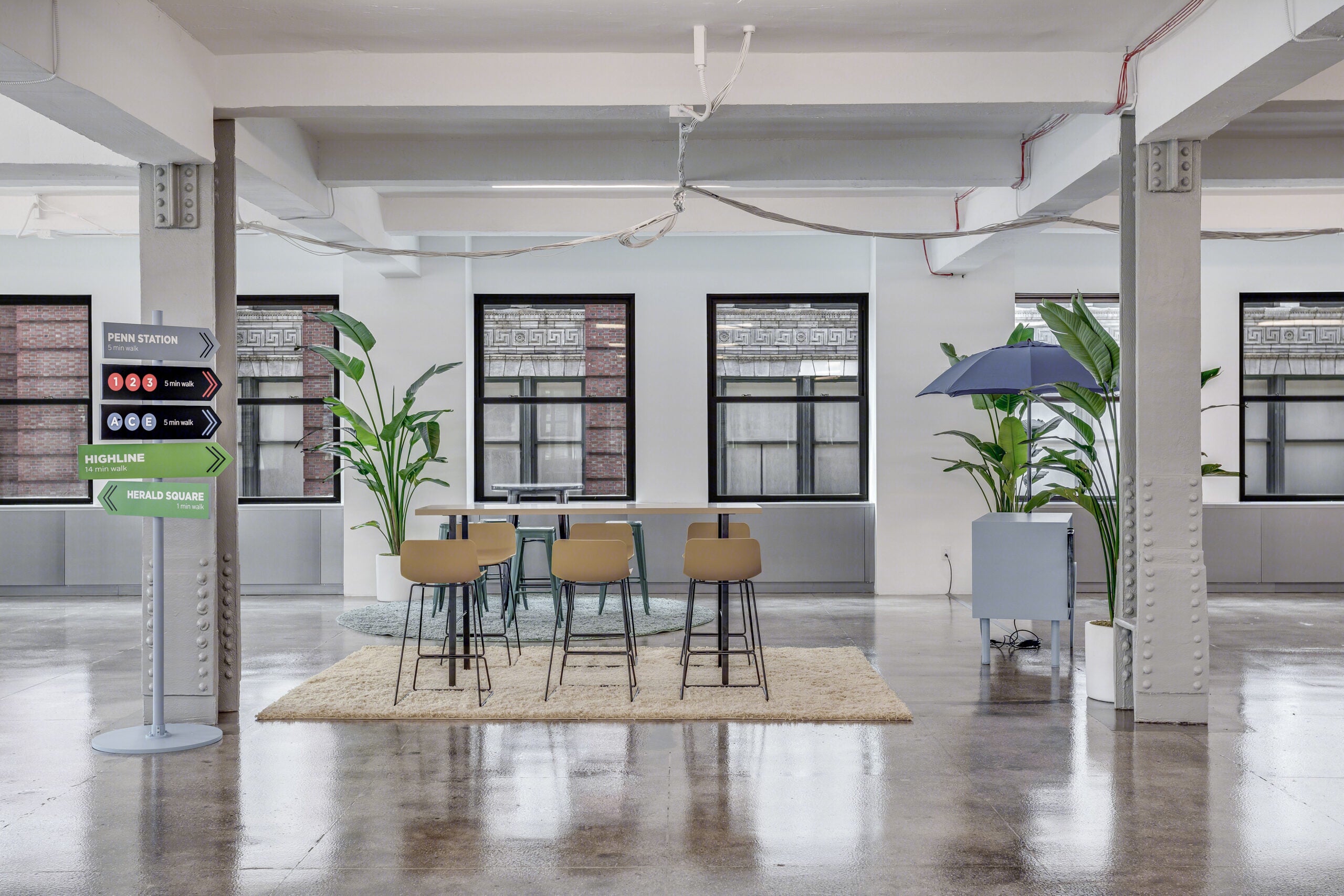
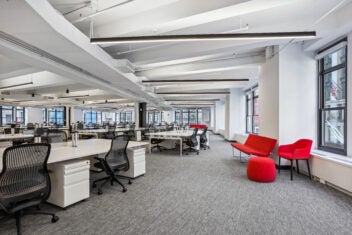
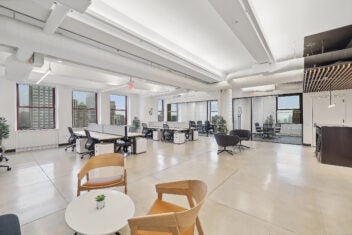
The third floor at 1333 Broadway
Why the Right Office Matters More Than Ever
The modern office supports collaboration, strengthens company culture, helps attract and retain talent, and creates a productive environment. The strongest Midtown Manhattan office buildings combine exceptional locations with modern infrastructure, hospitality-driven service, and amenities that improve the workday.
Start with Location
Midtown Manhattan remains one of New York City’s most desirable office markets because it places employees, clients, and visitors within easy reach of transportation, restaurants, hotels, and business services. As you evaluate office space, consider more than the building itself.
Transit Access Should Make Every Commute Easier
Convenient transportation continues to rank among the most important factors in office selection. Buildings near Penn Station, Grand Central Terminal, Port Authority, and multiple subway lines reduce commute times and expand the talent pool.
ESRT’s Broadway Campus sits just steps from Penn Station and offers convenient access to PATH, Port Authority, and multiple subway lines, while One Grand Central Place provides direct in-building access to Grand Central Terminal. Companies that prioritize employee convenience often find these transit-oriented locations support both recruitment and day-to-day operations.
Walkability Creates Everyday Value
Nearby restaurants, coffee shops, fitness studios, hotels, parks, and retail all contribute to a more convenient workday. Walkable neighborhoods also encourage informal meetings, team lunches, and after-work gatherings that strengthen company culture.
Related Suite
Copy Link

Email Link


Look Beyond Square Footage
Two offices with identical square footage can function very differently depending on their layout, natural light, and flexibility.
Efficient Floorplates Make Better Use of Every Square Foot
Well-designed floorplates help organizations accommodate more employees, create better collaboration areas, and reduce wasted space.
Look for layouts that support multiple work styles, whether your team prefers open collaboration, private offices, conference rooms, or a combination of all three.
Efficient planning also makes future renovations easier as workplace needs evolve.
Natural Light Improves the Workplace Experience
Bright, open environments create a more welcoming atmosphere for employees and visitors alike. Offices with generous perimeter windows often feel larger, more comfortable, and more connected to the surrounding city.
These features can have a meaningful impact on employee satisfaction and the overall workplace experience.
Choose Space That Can Adapt
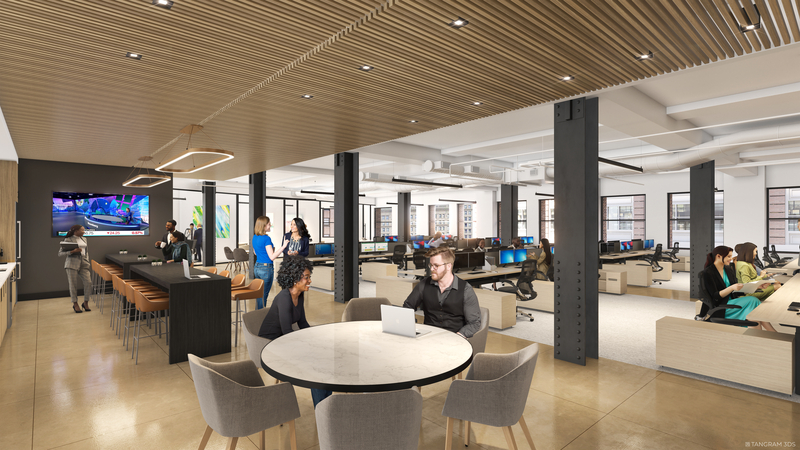
Flexible layouts, efficient infrastructure, and thoughtful planning can help your workplace evolve without unnecessary disruption or expense. Full-floor opportunities – like the 20k-square-foot 41st floor at the Empire State Building, the 29k-square-foot third floor at 1333 Broadway, or the 37k-square-foot full floors at 130 Mercer – give companies the opportunity to tailor space around their unique operational needs and allow flexibility for future growth. Many of these opportunities also qualify for ESRT Turnkey Suite services, which can help simplify the path from lease execution to occupancy.
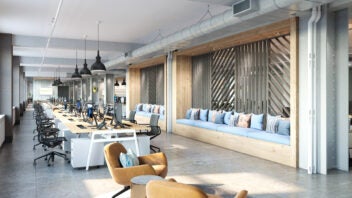
A rendering of the 60k square foot availability at 501 Seventh Ave.
Evaluate the Building Experience
As you tour Midtown Manhattan office space, pay attention to the details that shape the daily experience.
A Strong First Impression Starts in the Lobby
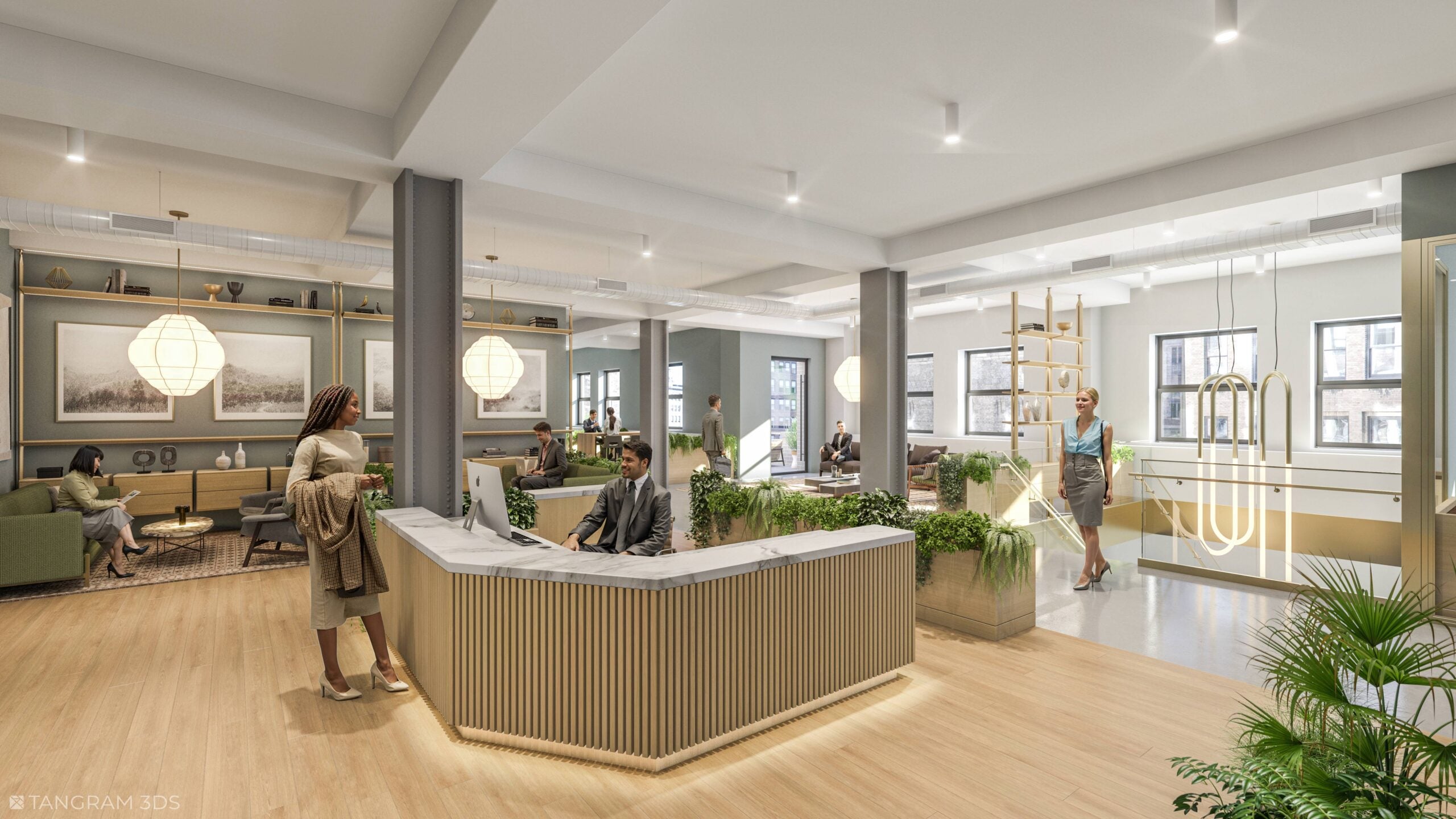
A modern, well-maintained entrance reflects professionalism and creates a welcoming experience for employees, clients, and guests. Features like secure visitor management, mobile building access, and attentive property staff can help every arrival feel seamless.
Technology Should Simplify the Workday
Today’s office buildings should remove friction wherever possible.
Look for features such as:
- Mobile building access
- Digital guest registration
- Reliable cellular coverage
- Modern elevator systems
- High-speed building infrastructure
Buildings that combine modern access technology with thoughtfully designed shared spaces can create a smoother day for employees and visitors alike. Across ESRT’s portfolio, tenant amenities like campus lounges, rooftop collaboration areas, and conference facilities complement the office environment and support both planned meetings and informal collaboration.
Responsive Property Management Makes a Difference
A responsive ownership and management team can help resolve operational questions quickly, coordinate improvements, and support your business as its needs evolve.
Ask how building management communicates with tenants, responds to service requests, and supports day-to-day operations. The quality of that partnership can influence your experience as much as the office itself.
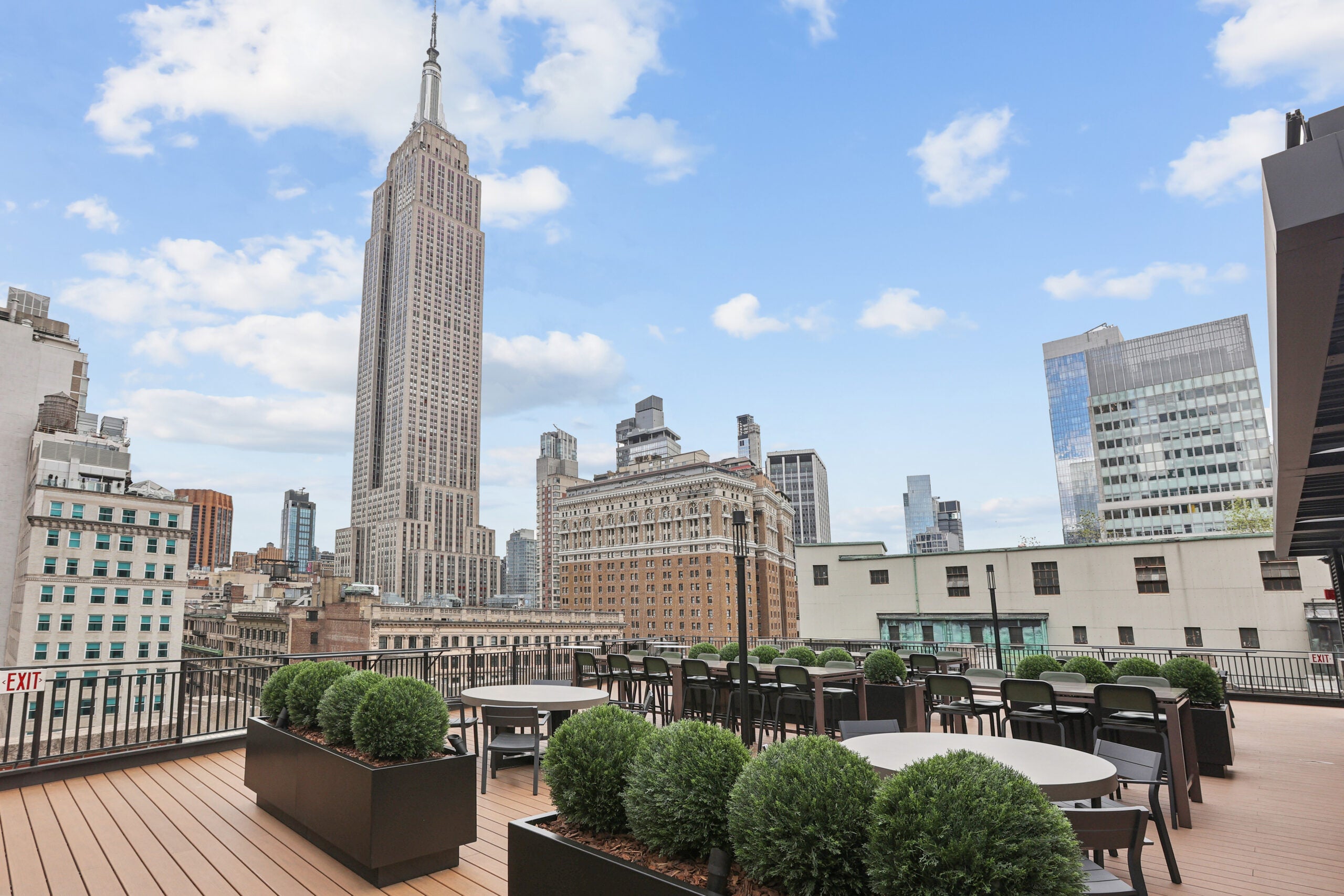
The Rooftop at 1333 Broadway
Prioritize Amenities Employees Actually Use
The most valuable office buildings create spaces where employees can collaborate, recharge, and connect throughout the workday.
Collaboration Space Supports Every Team
Shared conference centers, meeting rooms, rooftop lounges, and event spaces allow companies to host presentations, client meetings, training sessions, and company-wide gatherings without dedicating valuable square footage inside their own offices. For example, tenants at One Grand Central Place have access to a tenant-only conference center, while the Broadway Campus connects tenants across several buildings to shared lounges, town halls, and rooftop spaces that encourage collaboration.
Wellness Amenities Support Employee Satisfaction
Features such as fitness centers, bicycle storage, locker rooms, outdoor space, and wellness programming support healthier routines and encourage employees to spend more time in the office.
Many modern office environments also incorporate outdoor space. Tenants at 501 Seventh Avenue and 1333 Broadway have access to an in-building rooftop tenant lounge, while the priority opportunity on the 30th floor at 1400 Broadway features more than 2,000 square feet of private outdoor space with skyline views. These spaces offer employees another place to recharge, collaborate, or host informal meetings.
Food and Retail Add Everyday Convenience
Buildings located near established retail and dining districts can further enhance the employee experience. Whether that means lunch options near Herald Square, restaurants surrounding Grand Central, or the shopping and dining scene in SoHo, a vibrant neighborhood helps employees and visitors make the most of their workday.
130 Mercer places tenants within walking distance of some of SoHo’s most recognized retailers, restaurants, and hotels, which make it an attractive option for companies that value both workplace experience and client accessibility.
Related Suite
Copy Link
Email Link
Consider Your Landlord, Not Just the Building
In-house design, construction coordination, and turnkey workplace solutions can reduce the complexity of an office relocation and help companies occupy new space more efficiently. As you compare buildings, ask what level of support your landlord can provide before and after move-in.
As you compare Midtown Manhattan office space, ask:
- Does the ownership team actively manage the property?
- Does the landlord offer in-house expertise for design, construction, or workplace planning?
- Can your business expand within the portfolio if your space requirements change?
- Does the landlord have a proven history of long-term tenant relationships?
Questions Every Broker and Business Should Ask Before Leasing NYC Office Space
Before you make a final decision, use this checklist to compare each property and identify the long-term value.
Ask:
- Is the location convenient for employees, clients, and visitors?
- Does the floorplate support today’s workplace needs?
- Can the office adapt if the business grows?
- Which amenities will employees actually use?
- Does the building incorporate modern technology and operational infrastructure?
- What level of support does the property management team provide?
- Does the landlord have a reputation for long-term partnership?
- How will this office support our business over the next five to ten years?
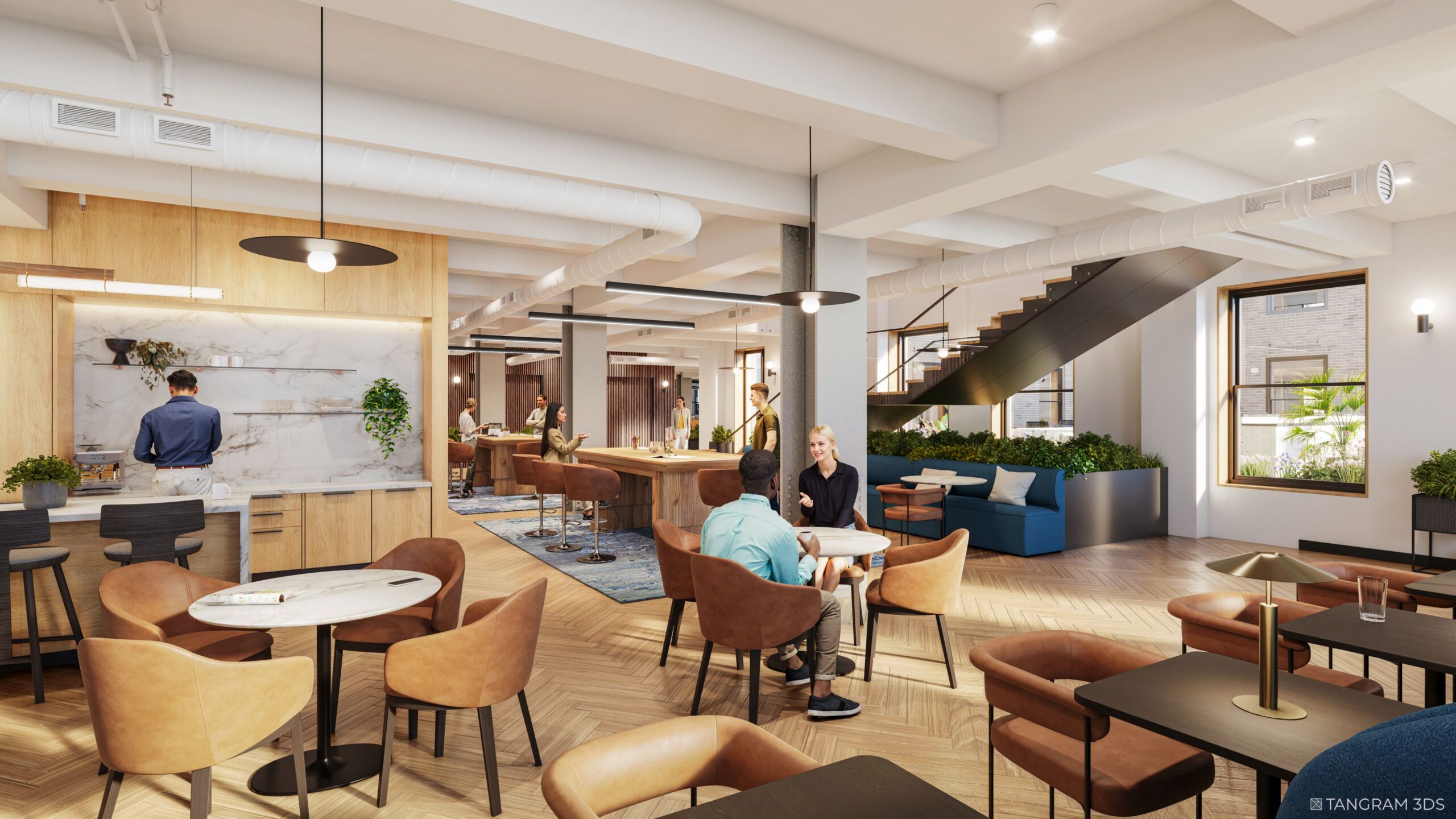
A rendering of the 80K square foot availability at One Grand Central Place
Find Office Space That Supports Long-Term Success
The best Midtown Manhattan office space helps companies attract talent, support collaboration, welcome clients, and adapt as business needs evolve.
Midtown Manhattan offers a wide range of office options, from full-floor opportunities near Penn Station and Grand Central Terminal to boutique workplaces in SoHo. As they consider location, flexibility, amenities, technology, and landlord partnership together, brokers and business leaders can identify space that supports long-term success.
Frequently Asked Questions
What should I look for in Midtown Manhattan office space?
Look for a convenient location, efficient floorplates, natural light, modern amenities, reliable technology, and a landlord with a strong reputation for service and long-term partnership.
Why does location matter when leasing office space?
A central Midtown location can shorten commute times, improve access to public transportation, simplify client meetings, and support employee recruitment and retention.
What amenities add the most value to an office building?
Many businesses prioritize conference facilities, fitness centers, outdoor spaces, dining options, bicycle storage, wellness amenities, and technology that simplifies daily operations.
Why should I evaluate the landlord during an office search?
A responsive landlord can support buildouts, address operational needs quickly, and provide flexibility as your business grows throughout the lease term.
What questions should I ask before I sign an office lease?
Ask about building amenities, future expansion opportunities, property management, technology infrastructure, operating procedures, and how the building supports employee experience.
Is Midtown Manhattan a good place to lease office space?
Midtown Manhattan remains one of New York City’s premier office markets with exceptional transit access, a diverse business community, abundant dining and retail, and a wide range of office buildings.
Explore availabilities in ESRT's portfolio!
LeasingRelated Content


Flight to Quality
Fully modernized, energy efficient buildings that focus on providing our tenants with top tier amenities and a healthy environment at a lower price than the competition