


Sustainability continues to play a role in how prospective tenants evaluate office space. For many tenants, the conversation extends beyond environmental commitments to include operational efficiency, employee experience, and long-term financial value. At Empire State Realty Trust (ESRT), we integrate sustainability into every aspect of our business. Our groundbreaking work delivers long-term value for our stakeholders, tenants, colleagues, and the communities where we live and work.
Below, we address frequently asked questions to help prospective tenants understand what to look for in sustainable commercial buildings and how those features can support their business goals.
What makes a commercial building energy efficient?
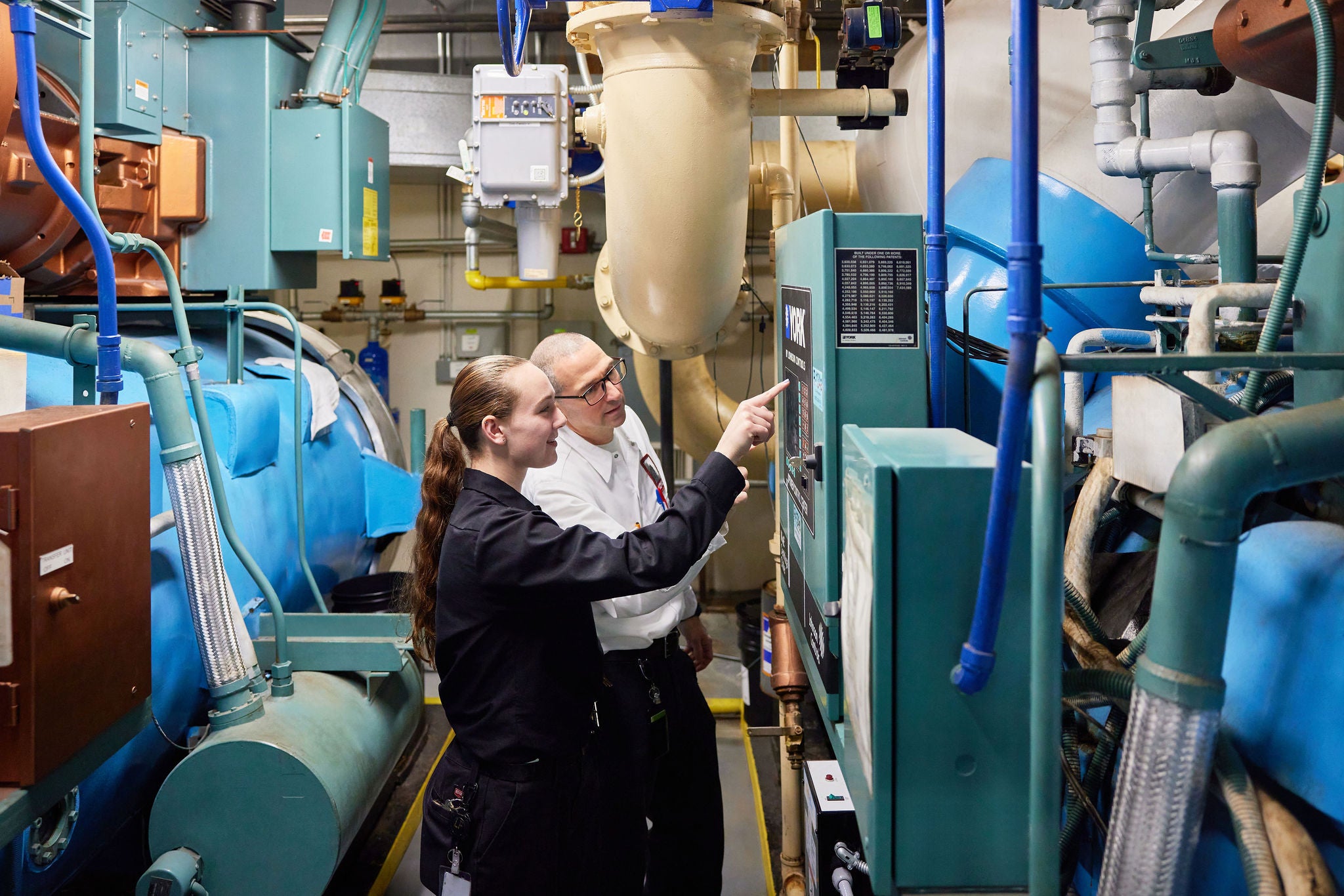
Energy-efficient office buildings are shaped by integrated design, data-driven operations, advanced technologies, tenant partnerships, and long-term deep energy retrofit planning.
An energy efficient building is one that:
• Uses high-performance, optimized systems (HVAC, controls, ERVs, heat pumps)
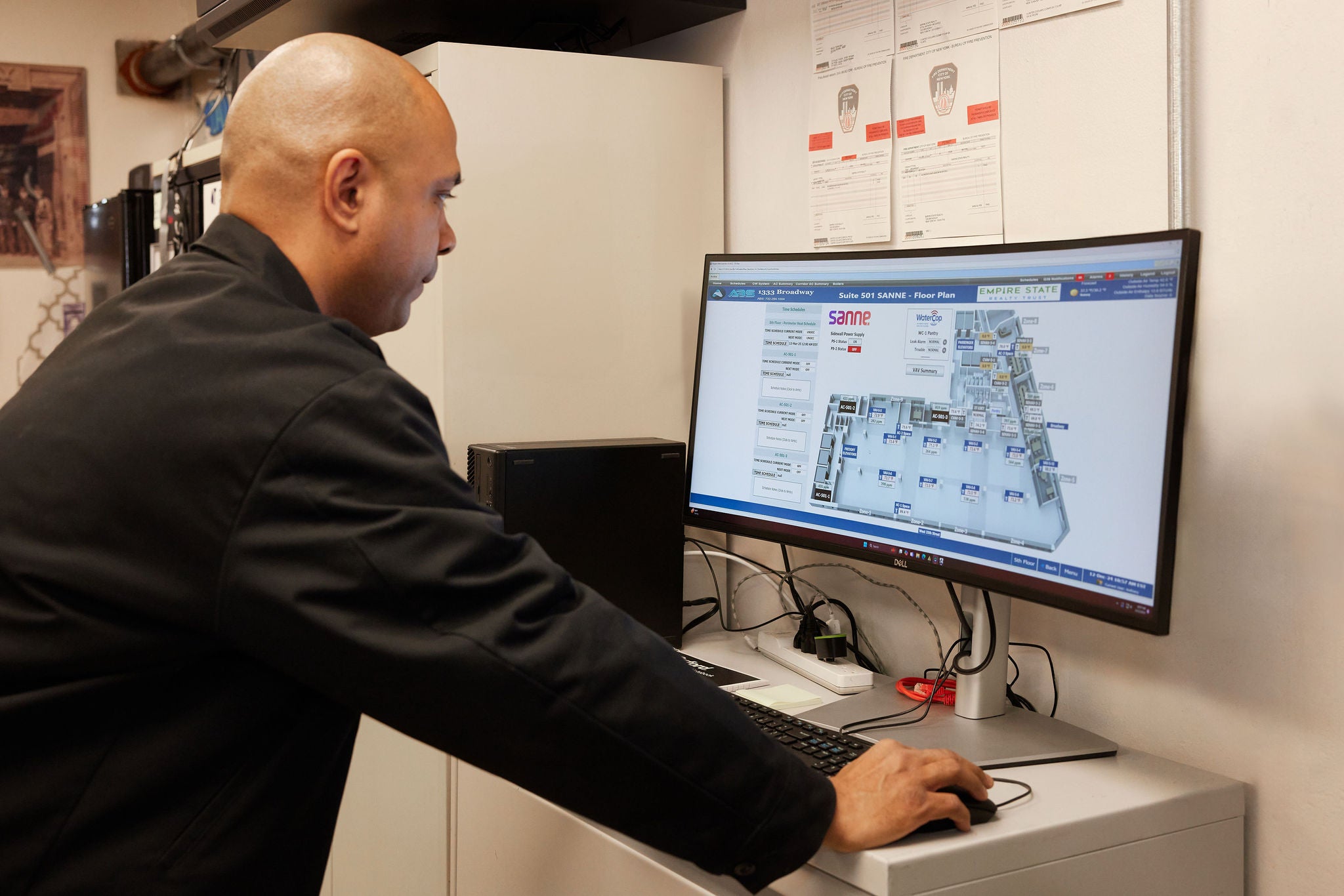
• Operates with real-time data, analytics, and continuous commissioning
• Integrates tenants through green leases and submetering
• Sources clean energy and manages grid impacts
• Maintains strong IEQ, while reducing unnecessary heating or cooling loads
• Implements long-term deep energy retrofit plan backed by technical and financial analysis
Across ESRT’s portfolio, 100% of New York City commercial office properties are ENERGY STAR or NextGen certified, a designation awarded only to top-performing buildings across the country. As of December 31, 2024, ESRT’s portfolio has reduced energy usage 41% since 2009 and 51% at the Empire State Building since 2007.
What is indoor environmental quality and why does it matter?
Indoor environmental quality refers to the overall quality of a building’s indoor environment, which includes factors that influence the health, comfort, and well-being of occupants. This includes key elements such as air quality, ventilation effectiveness, lighting quality, thermal comfort, healthy materials, noise and acoustics, and water quality.
People spend most of their time indoors, which means indoor conditions have a major influence on respiratory health, cardiovascular health, cognitive function, and comfort. Healthy air and lighting also improve productivity and cognitive performance.
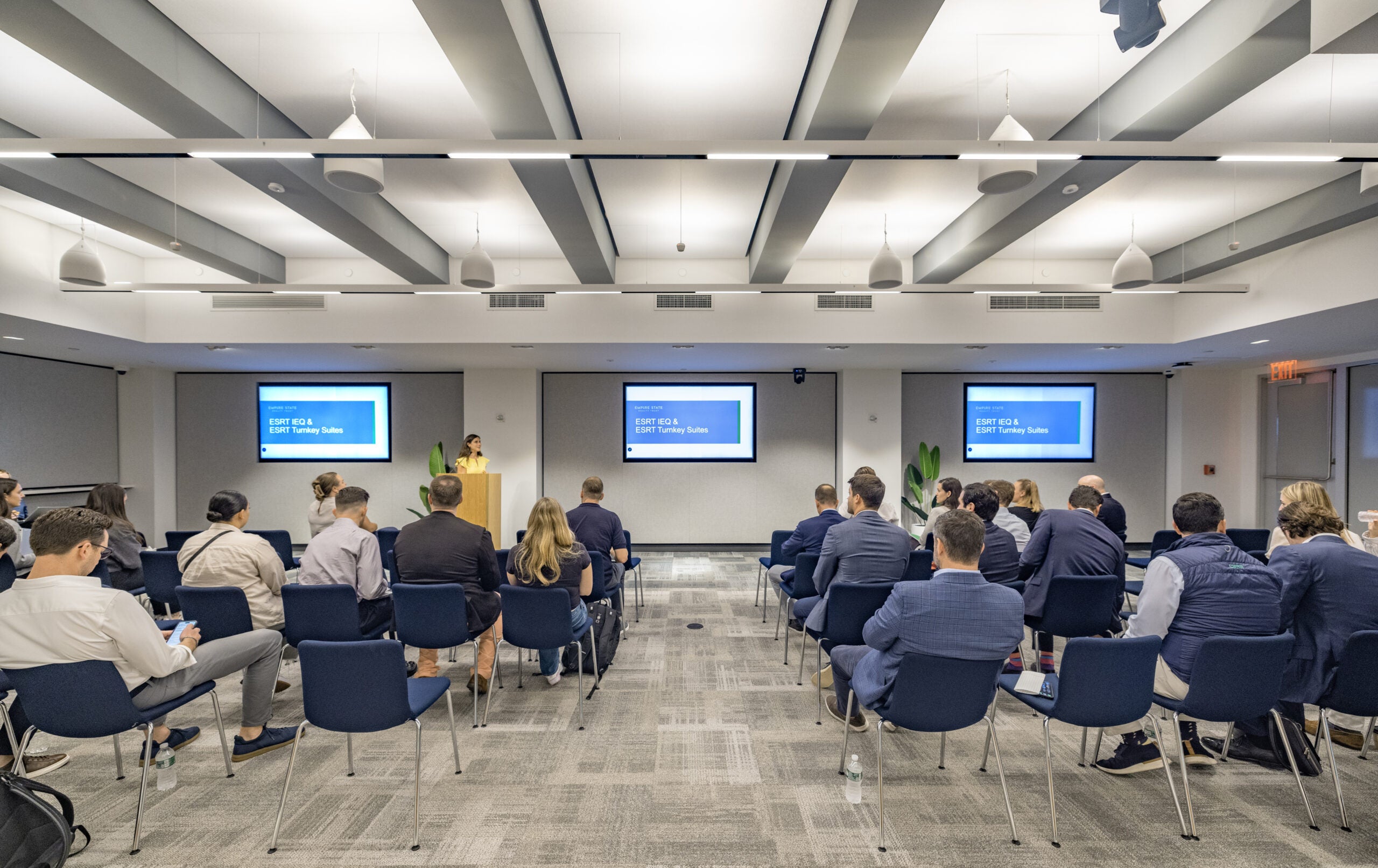
ESRT performs annual third-party indoor air and water quality testing across all properties, aligned with leading certification standards.
How do Fitwel and WELL certifications relate to the tenant experience?
Third-party certifications, like Fitwel and WELL, offer a comprehensive, science-based framework that makes the tenant experience healthier, safer, more comfortable, and more productive.
What do these certifications measure?
- WELL evaluates operational policies, maintenance protocols, emergency plans, and occupant communication that support health and safety. This includes indoor air quality and filtration, ventilation and fresh air standards, water quality, cleaning protocols and chemical safety, emergency preparedness and response, health services, and stakeholder education.
- Fitwel is a design and operations-based certification focused on human health, community well-being, and occupant experience. Fitwel measures include IEQ, access to light and lighting quality, active design and physical well-being, healthy material requirements, occupant safety and security and community health and social connectivity.
- Both evaluate key aspects of the indoor environment, and both improve the health, comfort, and overall experience for tenants, which aligns closely with ESRT’s leadership in healthy, high-performance buildings.
ESRT became the first commercial portfolio in the Americas to achieve and maintain the WELL Health-Safety Rating across 100% of its portfolio with multiple consecutive recertifications and received the WELL Health-Safety Leadership Award in 2024 and 2025. In addition, 82% of ESRT’s portfolio square footage is Fitwel certified, which focuses on occupant well-being, safety, and access to healthy environments.
These certifications signal to tenants that building operations prioritize health, transparency, and accountability.
How do healthy buildings support well-being, satisfaction, and productivity?

Healthy buildings combine strong IEQ, thoughtful design, and consistent operations. These features directly influence how people experience the workplace each day.
Examples of healthy building strategies:
- High Performance Air quality management
- MERV 13 filtration across all units
- Bipolar ionization air purification systems
- Demand controlled ventilation
- Real-time IEQ sensors
- Annual third-party indoor air quality testing
- Rigorous Water Quality Controls
- Annual third-party indoor water quality testing
- Use of WELL-aligned water quality requirements for safe consumption and hygiene
- Real-time submetering and leak detection
- Healthy Materials
- Exclusive use of low- or no-VOC materials
- Prohibition of Red List chemicals
- Certified green cleaning products and protocols
- Integrated pest management
- Thermal Comfort & Humidity Control
- Optimized HVAC controls through advanced BMS and ASHRAE Guideline 36 sequences
- Humidity and temperature monitoring via IEQ sensors
- Fitness & Active Design Amenities
- State‑of‑the‑art fitness centers (e.g., at the Empire State Building)
- On‑site amenities such as basketball and pickleball courts, golf simulators, and wellness lounges
- Daylighting, stair access, and walkable community integration
These measures help employees stay comfortable and focused throughout the day.
Why is waste management important in commercial real estate?
Waste management is important because it:
- Reduces environmental and carbon impact
- Ensures regulatory compliance and mitigates risk
- Lowers operating costs and improves efficiency
- Enhances tenant satisfaction, education, and engagement
- Supports sustainability reporting and certification requirements
- Strengthens building reputation and competitiveness
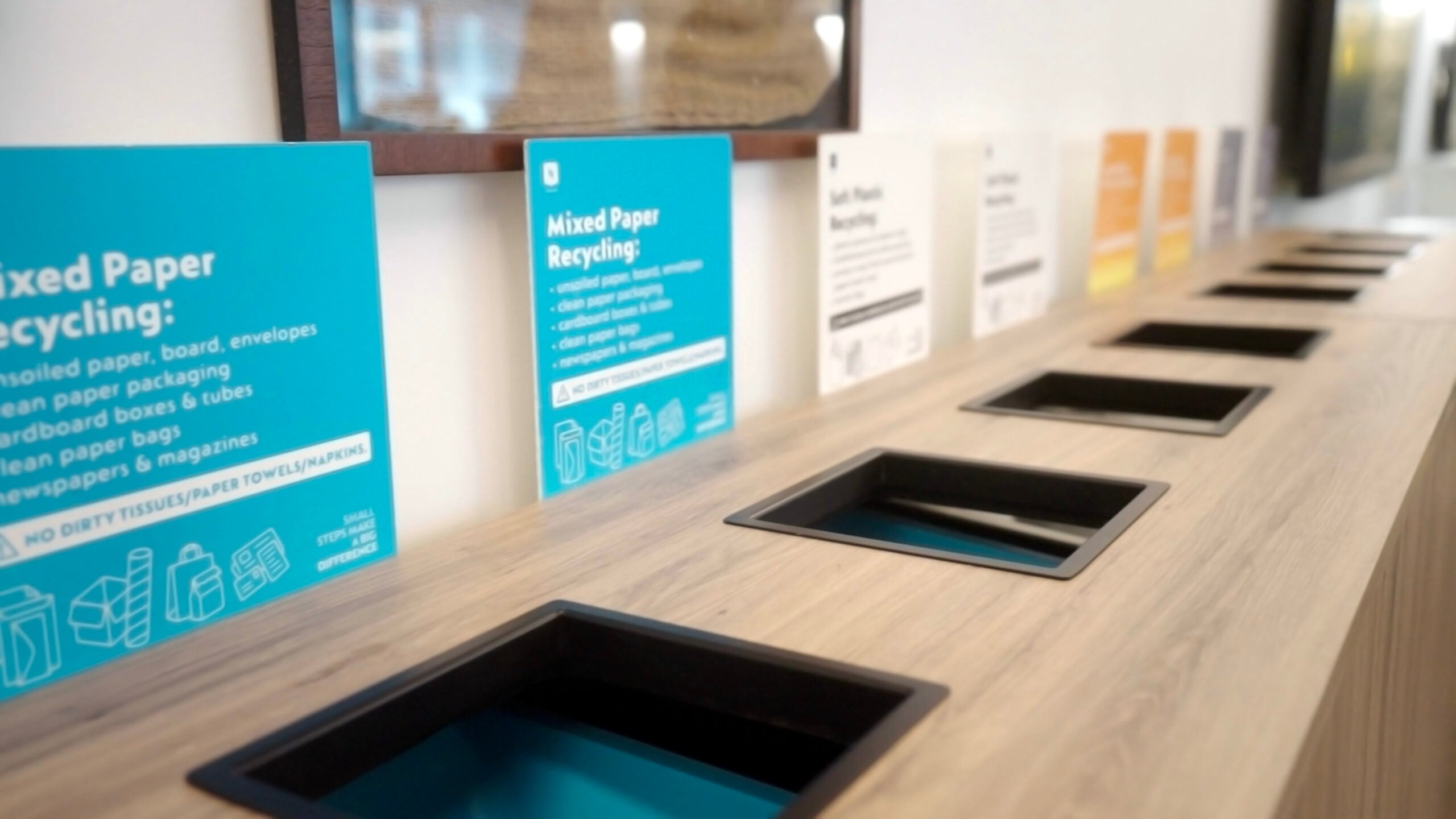
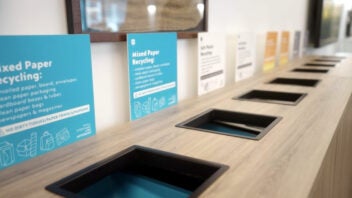
ESRT operates standardized waste diversion programs at all properties, which include recycling and organics composting. In 2024, the portfolio diverted 44% of total waste away from landfills, with a long-term target of 75%. Consistent signage, staff training, and waste audits help maintain reliable performance across diverse tenant spaces.
What role do tenants play in successful waste diversion?
Tenants play a central and indispensable role in successful waste diversion in commercial real estate. Diversion performance depends on tenant participation, behaviors, and engagement.
Ways tenants support waste diversion:
- Correct waste sorting
- Composting programs
- Education and training
- Waste audits
- Material reduction and reuse
- Compliance with green lease requirements
- Partnership with landlords to refine and improve practices
ESRT partners with tenants through education, audits, and customized waste management guidance. In 2024, over two million square feet of tenant space actively participated in composting programs across the portfolio.
Do sustainable buildings offer financial benefits?
Sustainable buildings deliver lower operating costs, regulatory risk reduction, higher tenant demand, increased asset value, and stronger long term financial performance.
Financial advantages for tenants
Sustainable buildings deliver advantages that directly and indirectly improve tenants’ bottom lines.
Direct:
- Lower energy bills
- Reduced water and waste costs
- Fewer capital upgrades during build‑out
- Lower maintenance needs
Indirect Benefits:
- Higher employee productivity and retention
- Lower absenteeism
- Reduced reporting and compliance burden
- Talent attraction and retention
- Stronger brand reputation
ESRT focuses on ROI-driven sustainability strategies, with many efficiency upgrades that demonstrate payback periods of two to five years at the tenant level. These investments support both operational performance and long-term leasing value.
What sustainability actions can tenants take on their own?
Tenants play a critical role in commercial real estate sustainability when they:
- Reduce, separate, recycle, and compost waste.
- Participate in audits and use ESRT training/materials.
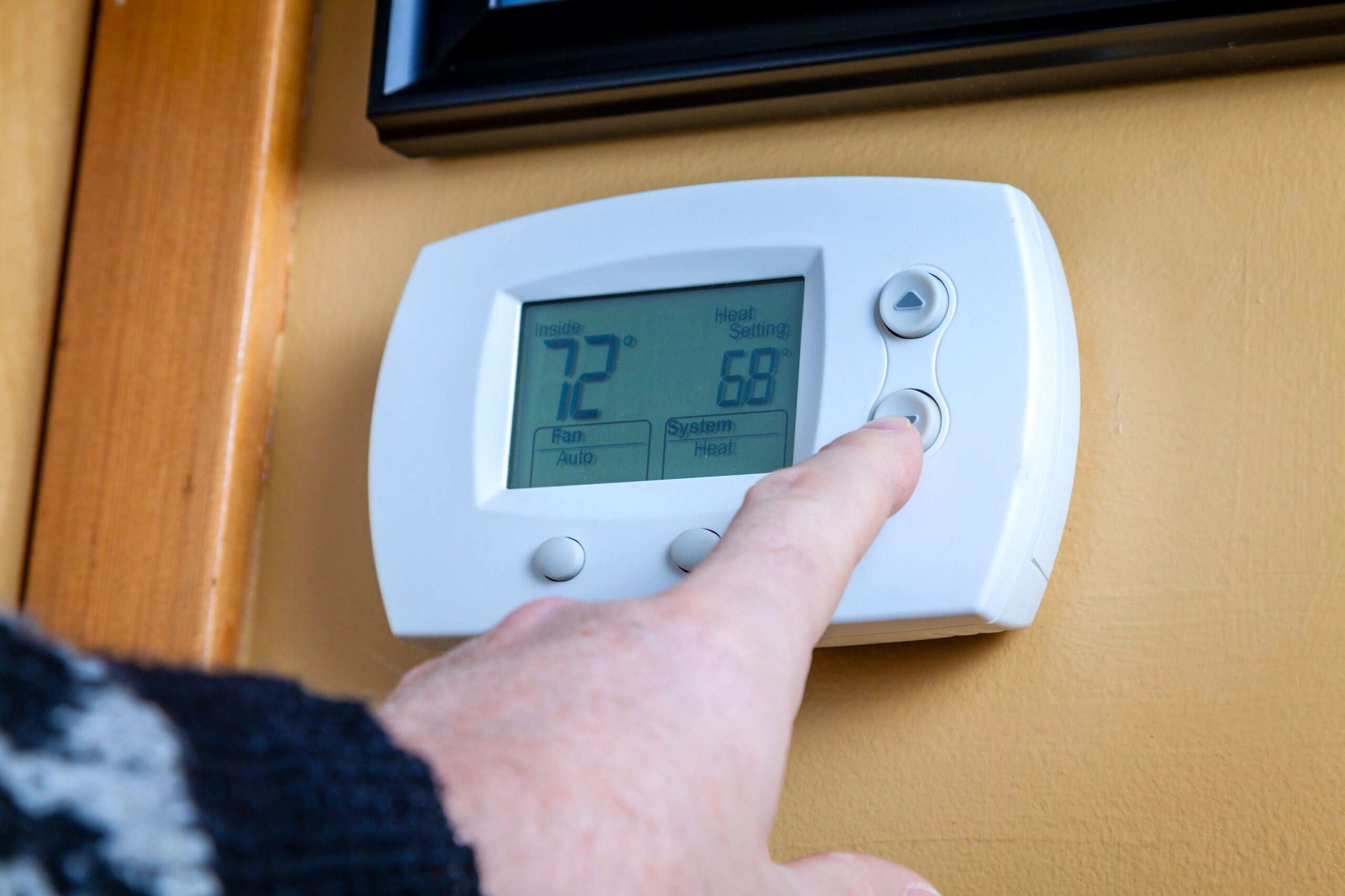
- Manage plug loads, lighting, and temperature efficiently.
- Select efficient equipment.
- Implement energy‑saving layouts.
- Train employees.
- Promote sustainability campaigns.
- Partner actively with their landlords through shared programs.
ESRT supports tenants with data access, sustainability toolkits, and direct engagement to help teams align workplace operations with sustainability objectives.
Learn more about sustainability at ESRT!
SustainabilityRelated Content






Flight to Quality
Fully modernized, energy efficient buildings that focus on providing our tenants with top tier amenities and a healthy environment at a lower price than the competition