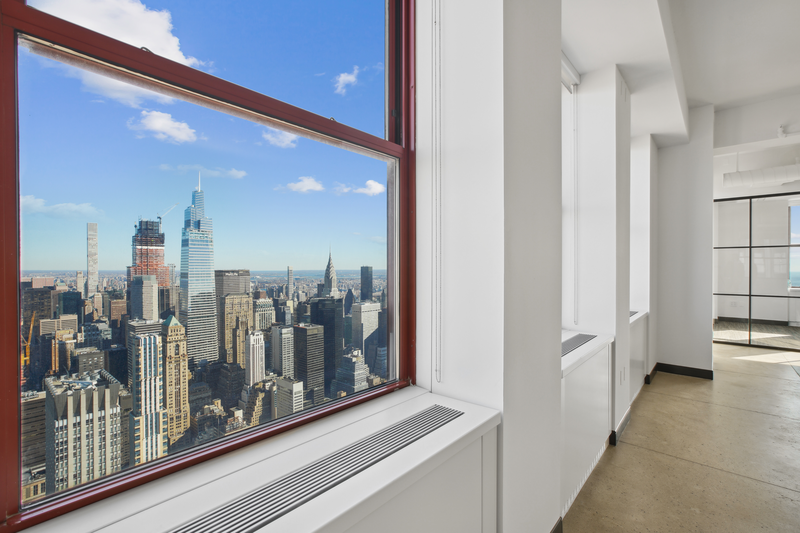



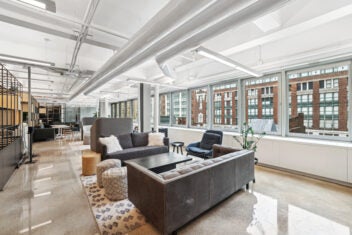
Natural light has a remarkable impact on both productivity and mood in the workplace. Daylight optimization can transform a dull office into a vibrant and energizing environment that supports collaboration, focus, and well-being.
As organizations place greater emphasis on workplace quality, natural light has become an important factor in office leasing decisions.
Find out what our experts – Yuri Choi, director of design & tenant services and Jenna Amateau, design associate – recommend for productive fall and winter seasons ahead.
The Business Benefits of Natural Light
Natural light is about more than just aesthetics – it has tangible benefits that can transform your workplace culture and bottom line.
- Improved Mood and Well-being
Exposure to natural light helps regulate our circadian rhythms, the body’s internal clock that controls sleep-wake cycles. When this rhythm is stable, employees often report better sleep quality, reduced stress, and an overall improvement in mood. A well-lit space feels more open and welcoming, to combat feelings of confinement and lethargy that can come from purely artificial lighting. Today, many tenants evaluate natural light as part of a broader employee experience strategy. Access to daylight can support a positive work environment - Increased Productivity and Focus
Studies have consistently shown a link between daylight and performance. Employees in offices with abundant natural light tend to be more alert and focused. For many organizations, productivity remains a key consideration as they evaluate available office space. Natural light continues to rank among the workplace features that employees value most. - Enhanced Energy Efficiency
Accessible sunlight reduces the need for artificial lighting, which can account for a significant portion of an office’s energy consumption. As you maximize daylight, you can lower your electricity costs and support energy-efficiency objectives.
Why Natural Light Remains a Priority in Workplace Strategy
Over the past several years, workplace expectations have evolved, and organizations place emphasis on employee experience, collaboration, and workplace quality as they evaluate office space.
Natural light continues to play an important role in each of these areas. Access to daylight can support employee well-being, create a more comfortable work environment, and contribute to a workplace that employees want to use.
For many organizations, natural light also supports broader workplace objectives. A well-lit office can enhance the overall experience of the space, complement wellness initiatives, and help create an environment that supports productivity and focus throughout the workday.
This emphasis on workplace quality has become increasingly important across the New York City office market. Tenants and brokers alike often view natural light as one component of a larger conversation about employee experience, workplace performance, and long-term value.
As tenants evaluate office options, natural light often becomes one factor that helps distinguish a space and shape the overall workplace experience.
Four Ways to Maximize Natural Light in Your Office Space
ESRT’s expert design team recommends these four effective ways to make the most of natural light in your office space:
Implement Daylight Controls in Light Fixtures
Modern technology offers a range of daylight controls that can enhance how natural light interacts with your office environment. Integrate daylight sensors and automated dimming systems into your light fixtures to ensure that artificial lighting adjusts based on the amount of natural light available. Sensors can dim or turn off lights when daylight levels are sufficient and brighten them when natural light dwindles to ensure consistent and optimal lighting throughout the day. This not only helps reduce energy consumption but also creates a more balanced lighting environment for employees.
Keep Rooms on the Interior Core of the Floor
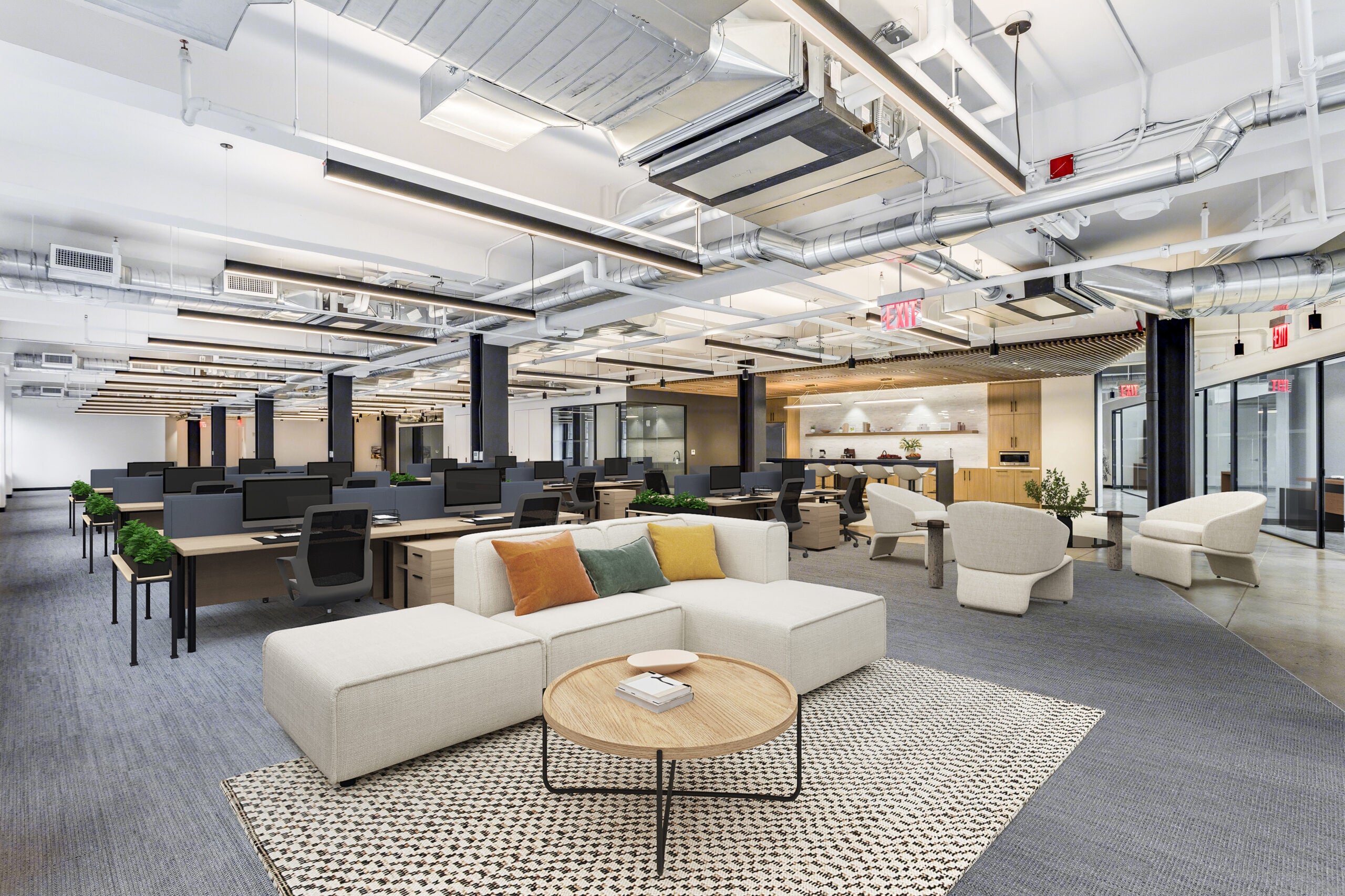
Strategic placement of rooms can significantly impact how natural light is distributed throughout an office. Frequently used spaces such as storage rooms, break rooms, or conference rooms can be placed on the interior core of the floor to preserve the daylight in areas where it is most needed. By keeping high-traffic and frequently occupied rooms near the exterior walls with access to windows, you ensure that those who work in these spaces benefit from maximum natural light exposure. This layout helps reduce reliance on artificial lighting and increases daylight in the entire space.
Keep Workstation Panel Heights Below 42″
As you design or renovate your office layout, keep panel heights below 42 inches to ensure that natural light can flow more freely across the space. High panels or cubicle walls can obstruct light and create dark, gloomy areas. Lower panels encourage an airier feel as light travels across the office more effectively. This design choice not only maximizes the reach of natural light but also promotes better communication and collaboration among team members.
Maximize Glass Office Fronts
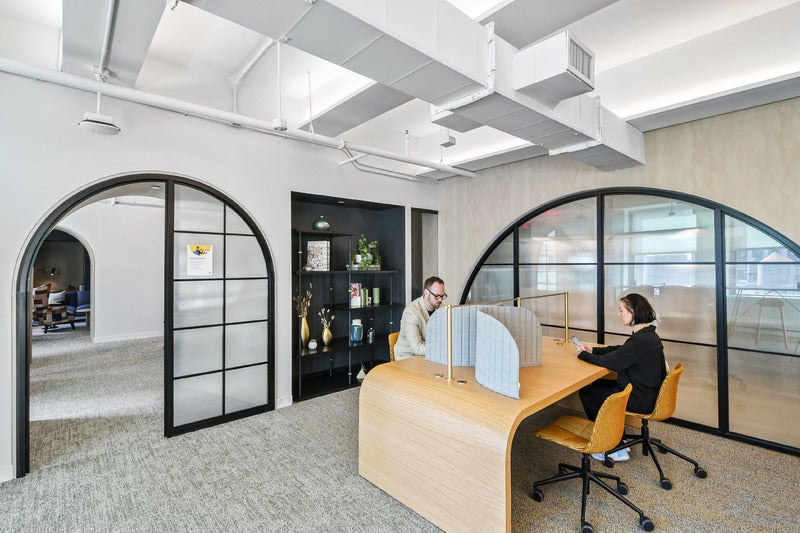
Glass office fronts and transparent partitions are gamechangers as they allow natural light to permeate throughout the workspace. Replace traditional solid walls with glass panels to facilitate the flow of light from windows and exterior walls deeper into the office space. This approach not only brightens up individual workspaces but also enhances visual connectivity between rooms to create a more open and cohesive environment. Consider frosted or textured glass in areas where privacy is necessary while light continues to pass through.
What Questions Should Tenants and Brokers Ask During Office Tours?
As tenants evaluate office space, it is important to look beyond the presence of windows and consider how daylight reaches employees throughout the floor.
Tenants and brokers can consider the following questions during office tours:
How Far Does Natural Light Extend Into the Space
A window line alone does not guarantee broad access to daylight. Consider how far natural light reaches from the perimeter and whether daylight can extend throughout the floorplate.
Which Areas Receive the Greatest Access to Daylight?
Evaluate where employees will spend most of their time. Workstations, collaboration areas, and common spaces often benefit from strong daylight exposure.
Does the Layout Preserve Access to Natural Light?
The placement of conference rooms, private offices, and support spaces can affect how daylight moves throughout a workplace. A thoughtful layout helps maximize access to natural light across the floor.
Do Interior Elements Restrict Visibility?
High workstation panels, solid office fronts, and enclosed spaces can limit the reach of natural light. Open sightlines and glass partitions often allow daylight to travel farther into the workplace.
Does the Space Support Employee Experience?
Natural light is one component of a broader workplace strategy. As tenants evaluate office options, they should consider how daylight works alongside amenities, collaboration space, wellness initiatives, and overall workplace quality.
Across the ESRT portfolio, workplace design discussions often focus on these considerations. Properties like the Empire State Building, One Grand Central Place, 1333 Broadway, and 111 W. 33rd Street offer workplace environments that support access to daylight as part of a broader commitment to the tenant experience and workplace performance.
Office spaces that optimize natural light create a healthier, more productive work environment. Embrace these strategies and let natural light transform your office into a bright and productive workplace.
This post has been updated from a previous version.
Find your perfect office space with ESRT!
AvailabilityRelated Content






Flight to Quality
Fully modernized, energy efficient buildings that focus on providing our tenants with top tier amenities and a healthy environment at a lower price than the competition