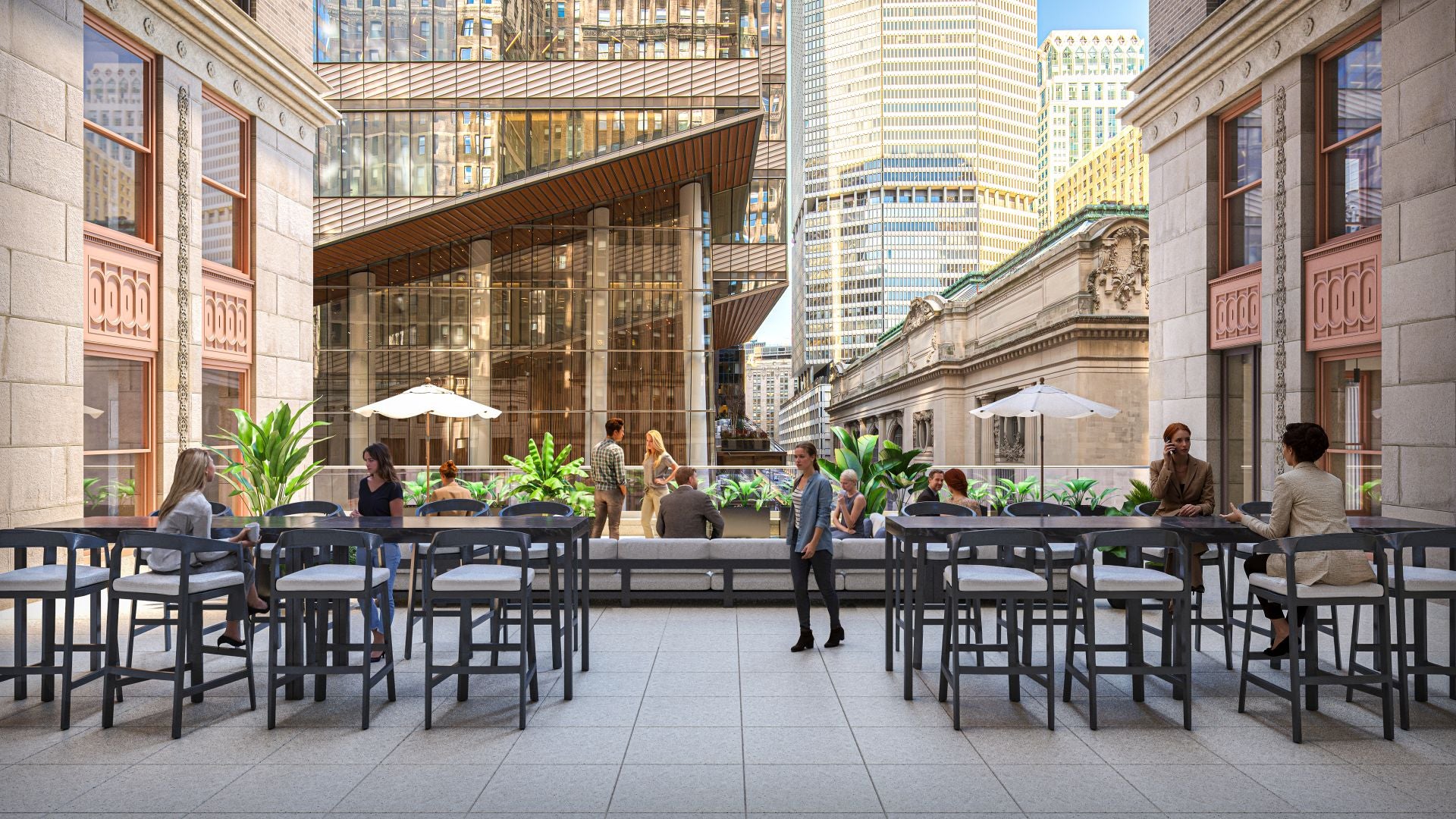


Midtown South is comprised of converted loft buildings, modernized towers above Herald Square, and warehouse space off the High Line. Each neighborhood offers something different, and this guide is here to break them down.
Learn more about the Midtown South district and the five neighborhoods tenants often consider below!
Key Takeaways: Midtown South Office Space
- The neighborhoods inside the district differ – Herald Square has more in common with Midtown proper than it does with SoHo, and floor sizes, tenant mix, and transit access can all change as you move south.
- Building stock ranges from converted cast-iron loft at the southern end to fully modernized prewar tower at the northern edge.
- An owner-operator with buildings in the district can provide firsthand information about specific floors, lobbies, and building systems.
Where Midtown South Actually Begins and Ends
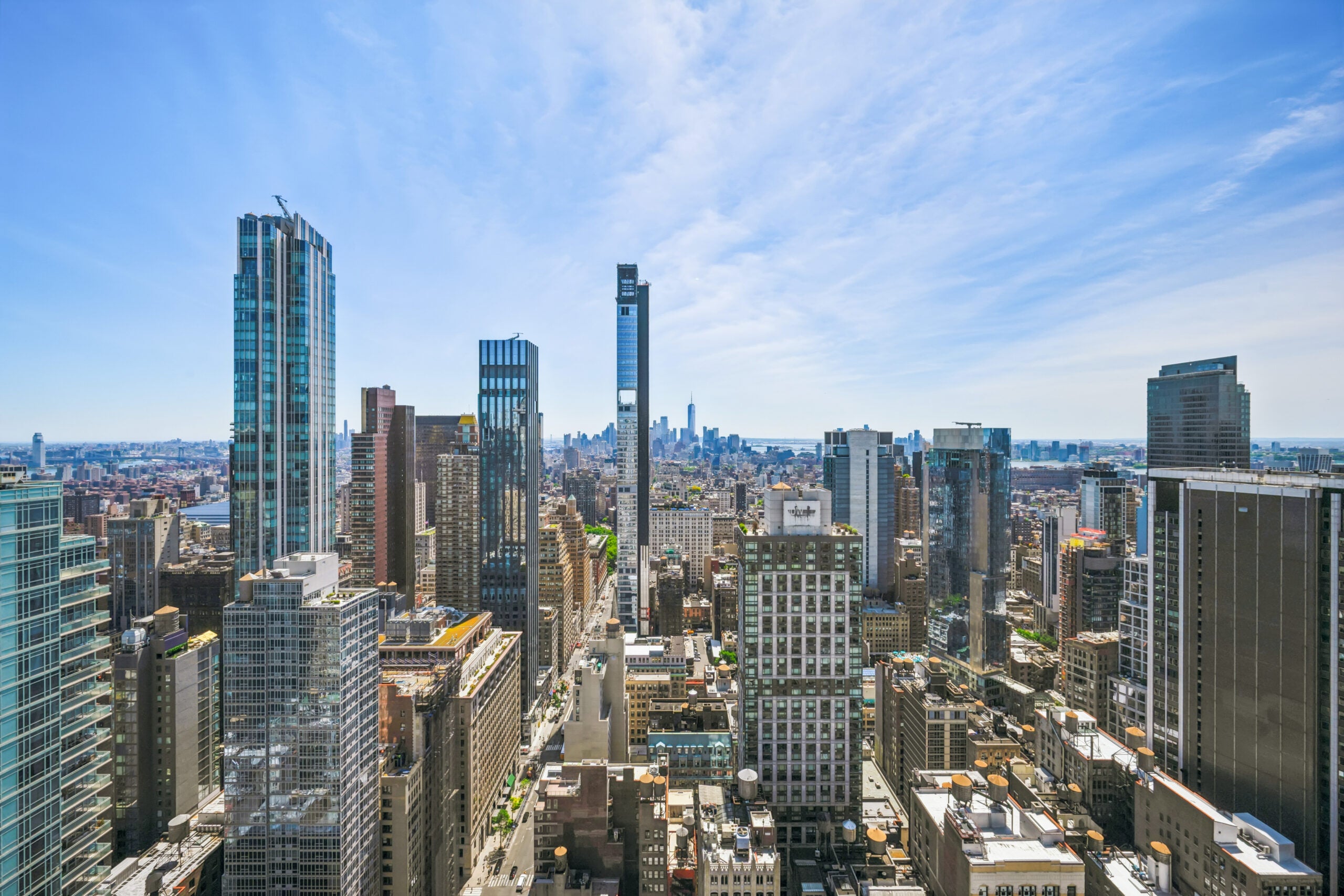
Midtown South runs roughly from the low 30s down to Canal Street, but there is no official boundary.
Commercial Observer places Midtown South between Canal Street and 32nd Street, and notes that the geography depends on who you ask. SquareFoot’s Midtown South page covers SoHo, Chelsea, Greenwich Village, Hudson Square, and Gramercy Park, but leaves out Herald Square and the Broadway corridor. Meanwhile, Metro Manhattan runs ten sub-neighborhoods and includes Herald Square among them.
At the northern edge, Midtown South and Midtown proper blur into each other, and tenants who seek Midtown Manhattan office space for lease often tour the same buildings as those who search Midtown South.
Midtown South Neighborhoods, One by One
The five neighborhoods below share a district name but each have their own building stock, tenant mix, floor sizes, and transit access.
Herald Square and the Broadway Corridor
The Broadway corridor is the northern edge of Midtown South and is a major transit hub. Herald Square and Penn Station are both within a few blocks, which puts multiple subway line lines, PATH service, and commuter-rail connections within a quick walk. The building stock offers full-floor plates that can accommodate larger headcounts than most of what sits further south. ESRT owns and operates four properties along the corridor — 1333 Broadway, 1350 Broadway, 1400 Broadway, and 111 West 33rd Street — and the Empire State Building sits at the district’s edge at 34th and Fifth.
For tenants who seek a full-floor office near Herald Square, ESRT’s options include:
- The Empire State Building’s 41st Floor offers approximately 20,000 SF of white box space, eligible for ESRT Turnkey Suite services, with access to 65,000 SF of amenities that include the Empire Lounge and Fitness Club.
- The 3rd Floor at 1333 Broadway offers approximately 29,000 SF of full-floor white box space, eligible for ESRT Turnkey Suite services, with in-building access to the Rooftop at 1333 Broadway and access to the tenant lounge and town hall at 1400 Broadway.
- The 18th Floor at 111 W. 33rd Street offers approximately 23,000 SF with a private terrace, steps from Penn Station. Tenants have access to Campus amenities that include the lounge and town hall at 1400 Broadway and the Rooftop at 1333 Broadway.
NoMad and Park Avenue South
Madison Square Park is the landmark that orients this area. The stock is a mix of converted prewar loft and newer construction, and a typical tenant base of creative, professional services, and smaller finance firms. Floor sizes run noticeably smaller than on the Broadway corridor, which means a growing team can outgrow a floor faster than expected.
Flatiron and Union Square
The loft stock in Flatiron and Union Square built Midtown South’s reputation as a technology and creative district, and much of it sits in landmarked buildings. That gives the area its character but also limits what a landlord can change about a facade or a lobby. A tenant that expects a modernized entrance should ask what landmark status permits before signing.
Chelsea
West of Sixth Avenue, Chelsea’s stock is converted industrial and warehouse space with high ceilings, deep floor plates, and creative layouts that art and technology tenants seek out. The High Line reshaped the area’s street life and brought gallery and retail density. Compared with the rest of the district, the major subway hubs are further away.
SoHo and NoHo
SoHo and NoHo sit at the southern end of the district. The cast-iron loft stock offers high ceilings, open plans, and distinctive architectural detail. Retail and hospitality are a defining feature of these neighborhoods, which gives the streets energy and foot traffic. 130 Mercer sits in the SoHo-Cast Iron Historic District and offers large efficient floorplates — an unusual combination in an area better known for small, irregular floors.
Related Suite
Copy Link

Email Link


Differences Between Midtown South and the Rest of Manhattan
Midtown South is strongest on character, walkability, and building stock that suits teams who seek something other than a standard tower floor. The neighborhoods are compact, the streets are walkable between meetings, and the environment at street level matters more here than it does in most of Midtown.
Floorplates run smaller and less regular than in Midtown proper, large contiguous blocks are harder to find, and the commuter-rail connections get better the further north you go.
The northern edge of the district is where a lot of tenants land. Herald Square sits inside Midtown South on most maps and still puts a team a few minutes from Penn Station and the broader Midtown transit network.
Explore Office Space Across Midtown South with ESRT
A tenant who knows which part of Midtown South fits their team has already answered the hardest question in the search. The next step is to find the right office space.
Browse office space for rent in NYC across ESRT’s portfolio, or book a tour to see the space in person.
See Available Spaces!
PortfolioFAQ: Midtown South Office Space
Which Midtown South neighborhood is best for office space?
No single Midtown South neighborhood is best for every office tenant. Herald Square and the Broadway corridor offer full-floor office options and access to major transit hubs, SoHo suits tenants who want large loft floorplates and architectural character, and Flatiron and Chelsea work well for smaller creative teams who value a loft office environment.
Is Midtown South part of Midtown Manhattan?
Commercial real estate firms generally treat Midtown South as a separate office submarket that sits below Midtown proper. The two overlap at the northern edge, which is why the same building can appear under either label.
Where are the boundaries of Midtown South?
Midtown South runs roughly from the low 30s down to Canal Street, but the brokerages define it differently. One firm’s Midtown South may include Herald Square while another’s doesn’t. Before you compare market figures across sources, check which boundary each one used.
What kind of office buildings are in Midtown South?
Midtown South office building stock ranges from converted cast-iron and prewar loft at the southern end to modernized prewar towers at the northern edge. Tenants evaluating space should also understand the difference between white box and prebuilt office space, which determines what a floor looks like on move-in day.
Is Midtown South a good location for tech and startup companies?
Yes, Midtown South is a strong location for tech and startup companies. The loft stock and the concentration of similar tenants in Flatiron, Chelsea, and SoHo have made it a popular choice for technology and creative firms
Related Content




Flight to Quality
Fully modernized, energy efficient buildings that focus on providing our tenants with top tier amenities and a healthy environment at a lower price than the competition